Japanese maples, known for their vibrant foliage and striking shapes, have become a beloved feature in gardens across the United States. Originating from Japan, these trees have a rich history that dates back centuries, but their cultivation in the U.S. is relatively recent. Japanese maple trees have become a sought-after choice for garden enthusiasts, landscape designers, and homeowners alike. Over the years, cultivation techniques and their popularity have evolved, transforming them into a staple of American horticulture.
The Introduction of Japanese Maples to the U.S.
Japanese plants had been a fascination for botanists for centuries, and the Japanese maple (Acer palmatum) caught the attention of those seeking unique and ornamental trees. These early introductions were primarily in botanical gardens, where experts could study their growth and reproduction.
The first recorded American importation of Japanese maples took place in the 1800s through the efforts of plant explorers and traders. Early cultivars such as the bloodgood Japanese maple for sale, were introduced to the U.S. and began appearing in the collections of horticulturalists.
The Rise of Japanese Maples in American Gardens
In the early 20th century, Japanese maples began to gain popularity in American gardens, particularly in regions with temperate climates. Their adaptability to both small and large spaces made them perfect for both residential and public landscapes.
The bright red and orange leaves of the Japanese red maple tree for sale were especially attractive in the fall, when many trees were losing their foliage. This popularity led to an increased demand for these unique trees. By the 1950s and 1960s, the market saw a rise in the availability of Japanese maple seedlings for sale. Garden centers and nurseries began offering a wider variety of cultivars, allowing homeowners to purchase them.
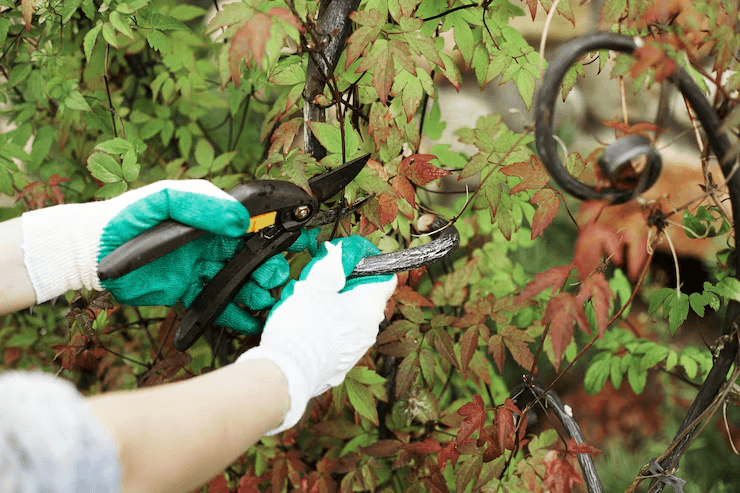
Cultivation Techniques: From Traditional to Modern Practices
As the popularity of Japanese maples grew, so did the understanding of how to cultivate them effectively. In Japan, these trees have been carefully nurtured for centuries with techniques that emphasize proper pruning and selective breeding. When cultivating a Japanese maple, it’s important to create conditions that mimic their native environment, with well-drained soil, a partial shade location, and protection from strong winds.
In the U.S., cultivation practices have evolved with modern horticultural techniques, including grafting and hybridization. The introduction of grafted Japanese maples for sale allowed growers to produce trees with desirable traits, such as improved color or unique forms. This innovation led to the creation of a broader selection of cultivars, including the rare Japanese maples for sale that are prized for their unique characteristics.
Japanese Maples in Modern Gardens
In recent years, Japanese maples have continued to evolve in terms of both cultivation and use in gardens. Homeowners are increasingly choosing Japanese maples, including red dragon maple trees, for sale as part of their efforts to create natural privacy screens. These trees provide shade, color, and a sense of tranquility, making them ideal for a variety of garden settings.
As awareness of the diverse cultivars grows, there is also a growing interest in smaller Japanese maple tree for sale, such as the red maple bonsai tree, which can be cultivated in containers and placed on patios or balconies.
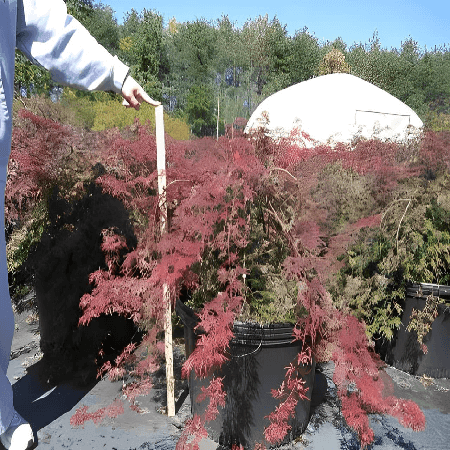
Cultivating a Japanese Maple for Your Garden
The history of Japanese maple cultivation in the U.S. reflects the growing appreciation for these trees and their unique beauty. From their early introduction in the 1800s to their status today as a prized element in American gardens, Japanese maples have undergone significant changes in cultivation techniques, allowing for better growth and a wider variety of trees available for purchase.
If you are interested in adding a Japanese maple to your garden, there are numerous options, from the classic Bloodgood Japanese maple to the rare and unusual varieties. Visit Herter Nursery for a wide selection of grafted Japanese maples for sale and start cultivating your very own beautiful Japanese maple tree. In case of any questions or recommendations, contact us, and we’ll guide you.