Japanese maples (Acer palmatum for sale) are renowned for their stunning foliage and graceful structure, making them a prized addition to many gardens. Achieving their full aesthetic potential, however, hinges significantly on the quality of the soil in which they are planted. Optimal soil conditions not only support robust growth but also enhance the vivid colors these trees are celebrated for. Studies indicate that trees planted in well-conditioned soil exhibit more vibrant foliage compared to those in suboptimal conditions.
Let’s examine the key factors that contribute to ideal soil conditions for Japanese maples.
Understanding Soil pH for Japanese Maples
Soil pH plays a significant role in nutrient availability for plants. Japanese maples thrive in slightly acidic to neutral soils, with an optimal pH range between 5.5 and 7.0. Within this range, essential nutrients remain readily available, promoting healthy growth and vibrant foliage. To determine your soil’s pH, conduct a soil test using a reliable kit. If the pH is too high (alkaline), incorporating organic matter like compost can help lower it gradually. Conversely, if the soil is overly acidic, applying lime can raise the pH to the desired level.
Ensuring Proper Soil Drainage
Adequate drainage is essential for Japanese maples, as they are susceptible to root rot in waterlogged soils. These trees prefer well-draining, loamy soil that balances moisture retention with drainage. To improve drainage in heavy clay soils, consider the following methods:
- Amend the Soil:Incorporate organic matter such as compost or well-rotted manure to enhance soil structure and drainage.
- Raised Beds:Planting in raised beds can prevent water accumulation around the roots, providing better drainage.
- Proper Site Selection:Choose planting sites that naturally drain well and avoid low-lying areas where water may collect.
Incorporating Organic Matter and Soil Amendments
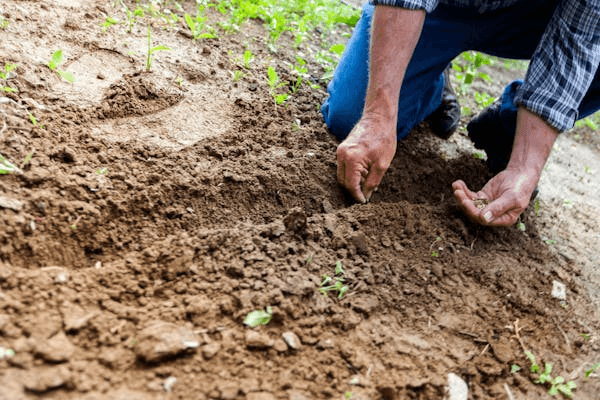
Enhancing soil fertility and structure through organic amendments supports the overall health of Japanese maples. Organic matter improves nutrient content, aids in moisture retention, and fosters beneficial soil microorganisms. Consider the following amendments:
- Compost:Applying a one-half-inch to 3-inch layer of compost around the base of the tree each spring enriches the soil and promotes healthy root development.
- Mulch:A layer of organic mulch, such as shredded bark or wood chips, helps retain soil moisture, regulate temperature, and suppress weeds. Ensure the mulch is kept about 10 to 15 cm away from the trunk to prevent rot.
- Peat Moss:Incorporating peat moss can improve soil structure and provide a slightly acidic environment that is favorable for Japanese maples.
Selecting the Right Soil Composition
Japanese maples perform best in loamy soil, a balanced mixture of sand, silt, and clay. This composition ensures good drainage while retaining adequate moisture and nutrients. If your native soil is predominantly clay or sand, amending it with organic matter can help achieve the desired loamy texture.
Monitoring and Maintaining Soil Health
Japanese maples for sale are long-lived trees that require consistent soil care to maintain their appearance and vitality over the years. Soil conditions can shift over time due to weather, irrigation habits, surrounding vegetation, and organic matter breakdown. Here are the recommended practices for monitoring and maintaining soil health around Japanese maples:
- Conduct Soil Testing Annually: Use a soil testing kit to assess pH and nutrient levels at least once a year, ideally in early spring.
- Observe Foliage and Growth Patterns: Discolored leaves, stunted growth, or premature leaf drop can indicate soil imbalances, nutrient deficiencies, or compaction issues that need correction..
- Avoid Overwatering: Over-irrigation can compact soil and reduce oxygen availability to roots.
- Aerate Compacted Soil: In high-traffic areas or where the soil becomes compacted, lightly aerate the soil in spring or fall to improve oxygen flow and water infiltration.
- Monitor for Root Exposure or Erosion: Check for signs of root exposure due to erosion, especially on sloped ground. Re-grade or add soil as needed to protect root systems.

Nurturing Japanese Maples Through Optimal Soil Conditions
Creating and maintaining optimal soil conditions is fundamental to cultivating healthy and vibrant Japanese maple tree for sale. By focusing on appropriate pH levels, ensuring proper drainage, incorporating organic amendments, and selecting suitable soil compositions, you can provide an environment where these trees will flourish.
For a selection of large Japanese maple tree for sale and expert guidance on soil preparation and care, visit Herter Nursery. Our extensive inventory and knowledgeable staff can assist you in selecting the perfect tree and provide insights into creating the ideal growing conditions. Contact us now!