Japanese maples (Acer palmatum) are admired for their striking foliage, compact growth, and year-round beauty. With the right care and attention, these trees can live for over 100 years and continue to add color and character to your garden. However, their longevity depends on consistent, well-informed maintenance.
Let’s look at some practical tree maintenance tips to help you preserve the beauty and life of your Japanese maple.
Start with Proper Planting Conditions
The success of a Japanese maple begins with where and how it’s planted. While these trees are adaptable, they prefer partial shade, especially in warmer climates, to reduce stress and prevent leaf scorch. Avoid planting in low-lying areas where water tends to collect.
Soil conditions should be slightly acidic (around pH 5.5 to 6.5) and well-draining. Compacted or overly wet soils increase the risk of root rot. If you’re working with clay-heavy soil, consider planting on a slight mound or using raised beds to improve drainage.
Water Wisely—Not Too Much, Not Too Little
Water is important, but too much or too little can quickly lead to problems. During the growing season, consistent moisture supports healthy foliage. Young trees may need water two to three times per week, while established trees typically need less frequent attention.
Overwatering can suffocate roots, especially in containers or poor-draining soils. Always check the top few inches of soil—if they feel dry, it’s time to water.
Prune for Structure and Health
Pruning is not just for aesthetics. It’s a way to manage the tree’s health, airflow, and growth pattern. Aim to prune in late winter or very early spring before new growth begins. Remove dead, crossing, or damaged branches, and thin out crowded areas to allow more light into the canopy.
Avoid heavy pruning, especially in summer, as this can cause stress and increase sap bleeding. Subtle shaping over time is more beneficial than drastic cuts.
Use the Right Fertilizer
Japanese maple tree for sale don’t require frequent feeding, but a gentle start-of-season boost can help maintain their appearance. Use a slow-release, low-nitrogen fertilizer in early spring. High nitrogen content encourages rapid growth, which may lead to weaker branches and less vibrant color.
Always follow the manufacturer’s instructions and avoid fertilizing late in the season, which can trigger new growth vulnerable to winter damage.
Regular Checkups for Pests and Diseases
Routine inspection is part of long-term care. Aphids, scale, and spider mites can show up during warmer months. Signs like leaf discoloration, sticky residue, or webbing can indicate trouble.
Fungal issues like verticillium wilt or powdery mildew may also occur in damp or shaded conditions.
Seasonal Protection Matters
Autumn is an ideal time to prep your tree for colder weather. Apply mulch—about 2 to 3 inches thick—around the base, but not touching the trunk, to protect roots and retain moisture.
For young or newly planted trees, wrap the trunk with breathable fabric or tree wrap in winter to prevent frost cracks or damage from temperature swings.
Choose the Right Variety for Your Space
Picking a variety that suits your space and climate makes maintenance easier. Here are a few options to consider:
- Bloodgood Japanese maple – A classic with rich red foliage and upright growth.
- Tamukeyama Japanese maple– Compact and weeping, ideal for smaller gardens.
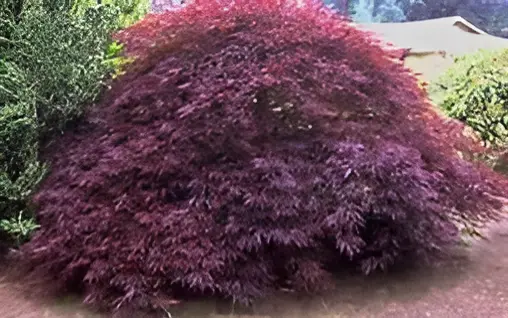
- Crimson Queen laceleaf Japanese maple– Popular for finely dissected red leaves.
- Orangeola Japanese maple– A cascading form with vibrant color shifts.
- Fireglow Japanese maple– Dazzling red foliage with sun resistance.
Get Expert Support from Herter Nursery
Japanese maples are long-living, resilient trees when cared for properly. With the right planting approach, watering routine, pruning, and seasonal care, your tree can thrive for generations.
Herter Nursery offers a full range of Japanese maple varieties. Whether you’re seeking Acer trees, Acer palmatum for sale, or weeping Japanese maple for sale, our team can help you choose and maintain the best fit for your garden. Contact us today for professional guidance, high-quality trees, and trusted service.