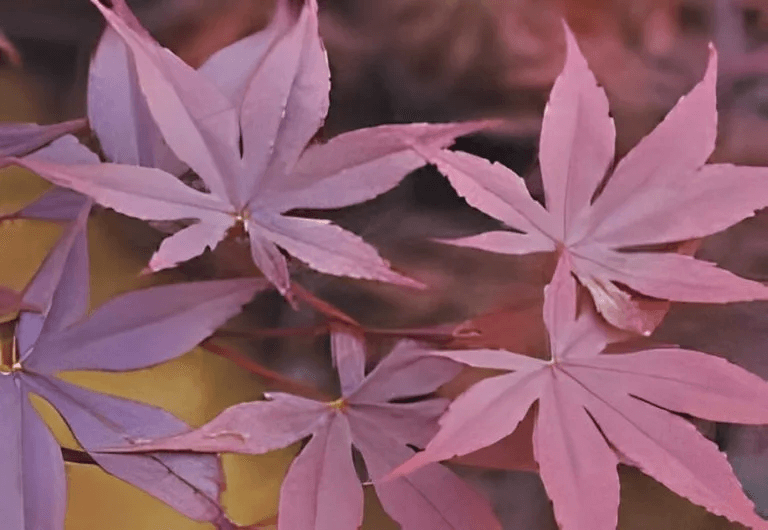
Maple trees, especially the enchanting Japanese maple, are like the prima donnas of the garden: dramatic, showy, low-maintenance if you do them right. At Herter Nursery, we’re all about helping you treat them with care without turning your garden into a full-time job. Whether you picked up a young laceleaf or snapped up a mature specimen, here’s how we gently guide first-time growers toward maple mastery.
Laying the Groundwork: Soil & Planting
Before discussing fertilizer or watering, we must talk about the foundation: the soil. Japanese maples thrive in slightly acidic, well-draining soil. Compacted clay or areas where water pools are no good—they smother roots.
When planting, don’t make the mistake of digging a deep hole and planting too deeply. The planting hole should be twice as wide as the root ball, but only as deep as the roots—no deeper. That encourages roots to spread outward and keeps the root crown safely above the soil, which reduces the risk of rot and graft issues.
Mulch is also part of the soil-care story: a 2–3 inch layer of shredded hardwood bark (or compost) helps retain moisture, regulates soil temperature, and suppresses weeds. Keep it pulled a few inches away from the trunk so air can circulate.
Watering: The Balance Between Moist & Soggy
Water is crucial, but as with many good things, there’s a fine line.
- Young or newly planted maples need more frequent watering: aim for deep watering several times a week until the roots establish. Container-grown trees are especially vulnerable—they dry out much faster.
- Established maples fare better with less frequent, deeper watering. Let the top inch (or so) of soil dry out between waterings. Moist, not waterlogged, is your goal.
- In summer, afternoon shade helps, especially for delicate laceleaf varieties—they burn easily under intense sun. Summer heat and drought can stress maples; good watering + mulch + shade buffer = happy leaves.
Watch for leaf tip burn, wilting, or premature leaf drop. These are signals that your tree is under water stress, either too much or too little. If stressed, pause feeding, adjust watering before fertilizing.
Fertilizer: When, What & How Much
Fertilizing Japanese maples is about restraint as much as generosity. Too much can lead to weak growth, poor color, or frost vulnerability. Here’s how we do it (and recommend you do too):
- When to Fertilize: Early spring, just as buds begin to swell, is prime. A gentle second feeding mid-summer may help if growth seems sluggish. Avoid late fertilizing—new growth close to winter doesn’t harden off well.
- Type of Fertilizer: Look for slow-release, low-nitrogen formulas. Balanced N-P-K blends (with moderate N) suit best. High nitrogen fertilizers(e.g., “lawn-style” feeds) are risky—they push leafy growth at the expense of structure and color.
- Organic vs Synthetic: We lean toward organic where possible: compost, well-rotted manure, slow-release shrub/tree fertilizer. These tend to be gentler. Supplement with synthetic only when necessary and always lightly.
- How Much: For young trees, use smaller doses. Spread around the drip line—not piling right at the trunk. If using pellets, work them into the soil surface and water in. If in a container, reduce the dose even more.
Seasonal Care (So You Don’t Overdo It)
Each season has its quirks. Knowing what to do—and what not to do—will help avoid over-care, which can be just as harmful as neglect.
Herter Nursery emphasizes that many maple problems stem from well-meaning over-care—pruning too much, feeding too late, or keeping soil constantly wet. Less is often more.
| Season | Do’s | Don’ts |
| Spring | Light pruning of dead/damaged wood, refresh mulch, feed early. | Heavy pruning or pushing growth too hard. |
| Summer | Shade in the hottest hours, steady moisture, watch for pests. | Overwatering or overfertilizing. |
| Autumn | Mulch for winter, stop fertilizing, clean up fallen leaves. | Ignoring soil moisture heading into frost. |
| Winter | Protect young trees, ensure enough moisture before snow, and use mulch insulation. | Late fertilization or exposing sensitive branches to cold wind. |
Common Missteps & How to Recover
Even with mistakes, maples often bounce back if you catch the problem early. Here are the usual slip-ups and what we suggest:
- Overwatering → Root issues: If the soil is soggy, improve drainage, reduce watering, and add mulch. Let the soil dry somewhat before watering again.
- Too much fertilizer / wrong timing → Weak growth: Stop feeding, flush soil if possible (water well), and resume with gentler fertilizer next spring.
- Sunburn/leafscorch: Provide shade during afternoons, choose a more sun-tolerant variety if your spot is very bright.
- Neglecting winter protection for young trees: Mulch well, perhaps use tree wrap or other guards, and water pre-freeze so roots are not dry.
Picking the Right Variety for Your Level of Care
Some Japanese maples are forgiving, others more finicky. For first-time growers:
- Varieties like Bloodgood and Fireglow tend to be more sun-tolerant and vibrant.
- Laceleaf and deeply dissected forms (e.g.,Crimson Queen) need more protection and careful positioning—not to mention shading.
- Smaller or container specimens, bonsai styles—they dry out, show stress faster,and need more attention to watering and soil mix.
Choosing a variety that matches your climate and how much hands-on care you want to give will save you from overdoing or underdoing things.
Bringing It All Together
At Herter Nursery, our motto is that healthy Japanese maples come from balance. The right soil, consistent yet not excessive watering, and gentle fertilizers at the right time. Combined with modest pruning and seasonal adjustments, your tree will reward you: foliage with depth, color changes that dazzle each fall, and structure that pleases the eye.
So go ahead—choose your maple, plant it thoughtfully, water with purpose, fertilize with care. Your garden (and your future self) will thank you.
Ready to Grow Something Special?
We’re a family-owned business—Herter Nursery—started in 1993 by John and Carol Herter. We specialize in rare and hard-to-find Japanese maple trees. Browse our collection if you’re looking for a Japanese red maple, an orangeola Japanese maple, a bloodgood Japanese maple, or even a large Japanese maple tree for sale. Check out our Japanese Maple Specials or join our Maple of the Month Club to receive handpicked Acer trees. Want to see what we ship? Shop all Japanese maple trees for sale or contact us for expert help.