Japanese maple trees are renowned for their delicate foliage and vibrant colors, making them a prized addition to any garden. However, these beautiful trees can fall victim to various pests that threaten their health and aesthetics. Understanding these common pests and implementing effective prevention and treatment strategies can help ensure your Japanese maple tree remains a stunning focal point in your landscape.
Common Pests Affecting Japanese Maple Trees
1. Aphids
Aphids are small, soft-bodied insects that feed on the sap of Japanese maple leaves, causing them to curl, yellow, or become distorted. They also excrete a sticky substance called honeydew, which can lead to the growth of sooty mold.
Treatment:
- Natural:Spray the tree with a strong jet of water to dislodge aphids. Introduce beneficial insects like ladybugs or lacewings that prey on aphids.
- Chemical:Apply insecticidal soaps or neem oil, ensuring thorough coverage of affected areas.
2. Scale Insects
Scale insects appear as small, immobile bumps on branches and leaves. They suck sap from the tree, weakening it and potentially leading to branch dieback.
Treatment:
- Natural:Prune and dispose of heavily infested branches. Encourage natural predators like parasitic wasps.
- Chemical:Apply horticultural oil during the dormant season to smother overwintering scales.
3. Spider Mites
Spider mites are tiny arachnids that feed on the underside of leaves, causing stippling, bronzing, and premature leaf drop. They thrive in hot, dry conditions.
Treatment:
- Natural:Increase humidity around the tree and regularly hose down foliage to remove mites.
- Chemical:Use miticides specifically labeled for spider mite control.
4. Mealybugs
Mealybugs are white, cottony insects that feed on plant sap, leading to leaf yellowing and stunted growth. They also excrete honeydew, promoting sooty mold development.
Treatment:
- Natural:Wipe affected areas with a cotton swab dipped in rubbing alcohol. Introduce natural predators like ladybugs.
- Chemical:Apply insecticidal soap or neem oil to affected areas.
5. Borers
Borers are larvae that tunnel into the wood of Japanese maple trees, causing structural damage and potentially leading to tree death. They often target stressed or weakened trees.
Treatment:
- Natural:Maintain tree health through proper watering, mulching, and avoiding mechanical injuries.
- Chemical:Apply systemic insecticides labeled for borer control during the larvae’s active period.

Preventive Care Tips
- Regular Monitoring:Inspect your Japanese maple for sale regularly for signs of pest activity, such as discolored leaves, sticky residue, or visible insects.
- Proper Watering:Ensure consistent watering, avoiding both drought stress and overwatering, which can weaken the tree and make it more susceptible to pests.
- Mulching:Apply a layer of mulch around the base of the tree to retain soil moisture and regulate temperature.
- Pruning:Remove dead or diseased branches promptly to prevent pest infestations and improve air circulation.
- Fertilization:Use a balanced, slow-release fertilizer to promote healthy growth without encouraging excessive, tender new growth that attracts pests.
Natural vs. Chemical Treatments
While natural treatments are often safer for the environment and beneficial insects, they may require more frequent applications and may be less effective in severe infestations. Chemical treatments can provide quicker results but should be used judiciously to minimize environmental impact. Always follow label instructions and consider consulting with a professional arborist for severe pest issues.
How Climate Impacts Pest Activity
The climate in your region plays a big role in determining how and when pests attack your Japanese maple tree for sale. For instance, warm, humid environments often increase the risk of scale and aphid infestations. In cooler climates, borers become a bigger concern in late spring and early summer. Understanding these seasonal dynamics helps you time your prevention strategies more effectively.
Seasonal Tips
- Spring:Watch for fresh aphid colonies and scale hatchlings. Spray neem oil before leaves fully unfurl.
- Summer:Increase vigilance against mites and leafhoppers. These thrive in dry conditions.
- Autumn:Clean up all fallen leaves to prevent overwintering eggs and larvae.
- Winter:Apply dormant oil sprays to kill eggs before they hatch and inspect bark for signs of borer activity.
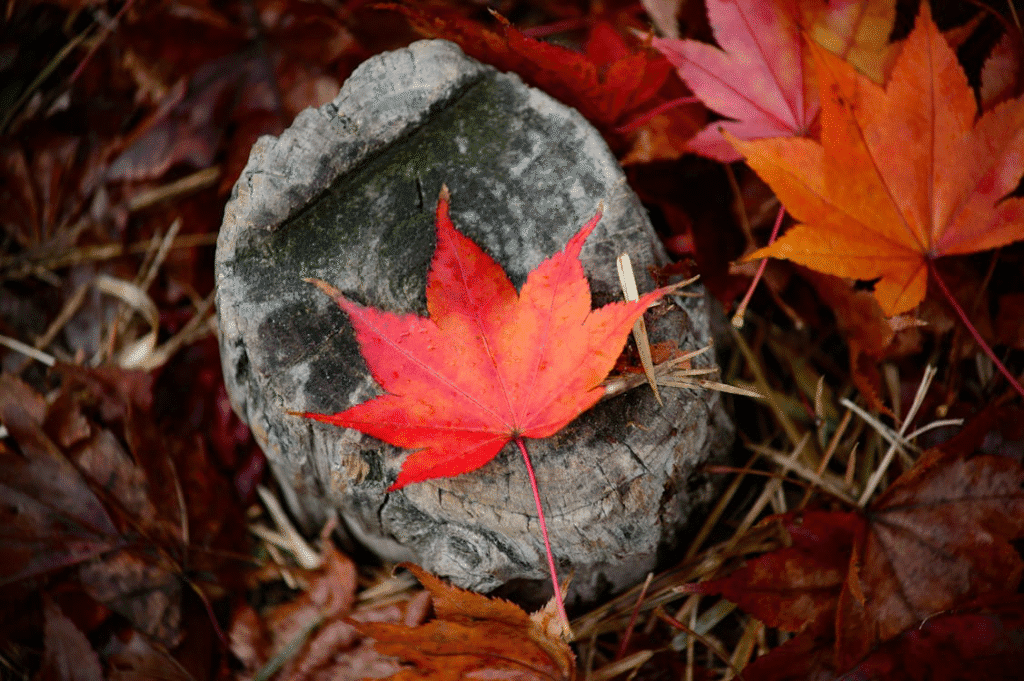
Enhance Your Garden with Healthy Japanese Maples
At Herter Nursery, we understand the importance of maintaining the health and beauty of your Japanese maple tree. We offer a wide selection of vibrant and pest-resistant varieties, including Japanese red maple trees, Orangeola Japanese maples, and Bloodgood Japanese maple for sale. Whether you’re looking for a large Japanese maple or Japanese maple seedlings, our expertly cultivated trees are ready to thrive in your garden. Explore our collection of Acer trees for sale and find the perfect addition to your landscape. Contact us today to buy Japanese maple trees that will bring lasting beauty and resilience to your outdoor space.