
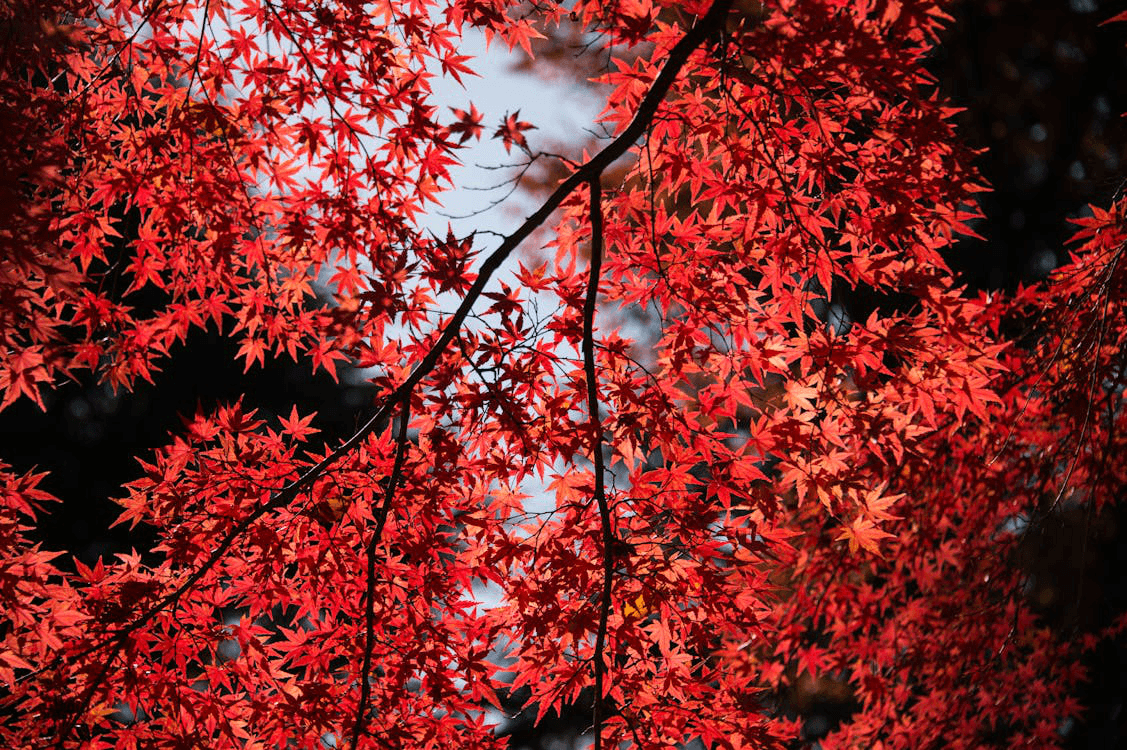
Japanese maples are renowned for their stunning foliage and graceful forms, making them a favorite among garden enthusiasts. If you’ve ever admired a Japanese maple in your garden or a neighbor’s yard, you might have wondered how to grow more of these captivating trees.
Propagating Japanese maples is a rewarding way to expand your collection and share these beauties with others.
Let’s read a step-by-step guide on how to propagate Japanese maples successfully and collections of vibrant Japanese maple tree for sale to find the perfect addition to your space.
Why Propagate Japanese Maples?
Propagating Japanese maples allows you to create new trees with the same stunning traits as the parent tree. Whether it’s their vibrant fall colors or the elegant branching structure, propagation helps preserve these characteristics while giving you the satisfaction of nurturing a tree from its earliest stages.
Methods of Propagation
There are several ways to propagate Japanese maples, but the two most common methods are seeds and cuttings. Each method has its own advantages, depending on your goals and resources.
Propagation by Seeds
Growing Japanese maples from seeds is traditional, often resulting in unique variations. Here’s how to get started:
- Collecting Seeds: Harvest seeds from a mature Japanese maple in the fall. Look for seeds that have turned brown and fallen from the tree naturally.
- Stratification: Place the seeds in a damp paper towel and store them in a plastic bag in the refrigerator for 90-120 days. This simulates the cold winter period they need to germinate.
- Planting: Plant the seeds in a well-draining potting mix once stratified. Keep the soil moist and place the pots in a warm, sunny location. Germination may take several weeks.
Propagation by Cuttings
For faster results and a guaranteed replica of the parent tree, propagation by cuttings is the preferred method. Follow these steps:
- Choose a Healthy Branch: In late spring or early summer, select a young, healthy branch with green wood.
- Prepare the Cutting: Cut a 4-6-inch section just below a leaf node. Remove the leaves from the lower half of the cutting.
- Apply Rooting Hormone: Dip the cut end into rooting hormone to encourage root development.
- Plant the Cutting: Place the cutting in a pot filled with a well-draining mix of sand and perlite. Water gently to settle the soil.
- Provide Care: Cover the pot with a plastic bag to maintain humidity and place it in a bright, indirect light. Roots should develop in 4-8 weeks.
Caring for Young Japanese Maples
After successful propagation, proper care ensures healthy growth.
- Watering: Keep the soil consistently moist but not soggy.
- Sunlight: Place young trees in bright, indirect sunlightto prevent leaf scorch.
- Transplanting: Once the saplings have established strong roots, transplantthem into larger pots or directly into your garden.
Final Thoughts
Propagating Japanese maples at home is an exciting way to grow your collection and enjoy the beauty of these elegant trees. Whether you start with seeds for variety or cuttings for precision, the results are worth the effort. You can create stunning new additions to your landscape with patience and care.
Add beauty to your outdoor area with small Japanese maple trees and large Japanese maple for sale at our nursery.
Are you looking for quality Japanese maple seeds or propagation tools? Explore the collection at Herter Nursery. Contact us to learn more about our Japanese maple offerings.