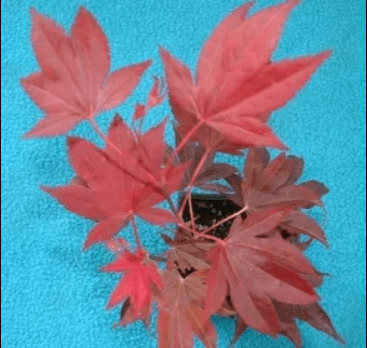
Every year at our nursery, customers reach out worried about browning leaf tips or fading color. Leaf scorch is one of the most common concerns for Japanese maple owners, especially during hot or unpredictable weather. The good news is that most of these issues come down to environment, not disease.
With the right care, your maples can stay healthy even through challenging seasons. Today we want to walk you through the practices we use on our own farm to protect delicate foliage and keep each tree growing strong.
Understanding Why Leaf Scorch Happens
Before we look at solutions, it helps to know what causes leaf scorch. Japanese maples have thin leaves that lose moisture quickly. When heat, dry wind, or intense sun hits the foliage, the tree can struggle to replace that lost moisture fast enough. The result is browning edges, dry tips, or faded patches. This is especially common during sudden heat waves or drought spells.
Even though scorch looks dramatic, it is mostly cosmetic. The goal is to reduce the environmental stress so the tree can recover. When customers shop our large bloodgood Japanese maple for sale or our lace leaf varieties, we always explain that the right placement and care make all the difference in long term health.
Choosing the Right Sun Exposure
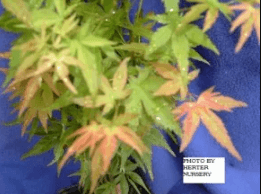
Sunlight matters more than most people realize. Japanese maples love bright light but prefer protection during the harshest part of the day.
Here is what we recommend:
Morning Sun, Afternoon Shade
This combination offers the perfect balance. Morning light provides energy for growth. Afternoon shade keeps the leaves from overheating. Lace leaf varieties benefit from this the most.
Filtered Light Under Taller Trees
If you have mature shade trees, planting your maple beneath them creates a calm, protective canopy. This helps prevent scorch and supports even growth.
Avoiding Full Day Exposure
Continuous strong sun can overheat the leaves, especially in summer. Even upright varieties that handle more light do best with shelter after midday.
When people visit us looking for a Japanese maple tree, we always ask where they plan to place it. The answer tells us which variety will thrive.
Regulating Moisture and Watering Correctly
Water plays a major role in preventing leaf scorch. Japanese maples like steady moisture but dislike soggy soil. The trick is consistency.
Deep Watering
A slow, deep soak encourages strong roots. Quick, shallow watering dries too fast and leaves the tree stressed.
Checking Soil Moisture
If the top few inches feel dry, it is time to water. Overwatering can also create stress, so stay balanced.
Avoiding Wet Leaves
Watering the foliage in strong sun increases the risk of burn. Always water the soil, not the leaves.
Customers who buy young acer palmatum for sale from us often ask how to water correctly. We always suggest building the habit early so the tree stays healthy as it matures.
The Importance of Mulching
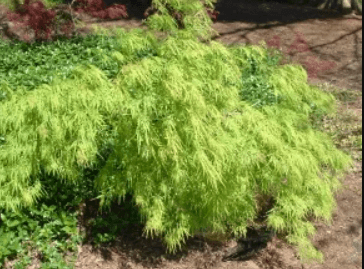
Mulch is one of the simplest ways to protect Japanese maples from extreme conditions. It controls temperature, holds moisture, and shields delicate roots.
Use mulch correctly by:
- Applying a two to three inch layer
- Keeping mulch a few inches away from the trunk
- Replacing or refreshing it yearly
Mulch acts like a natural buffer and keeps the soil cool even on the hottest days. This alone can prevent most scorch issues.
Shading Strategies for Young or Sensitive Trees
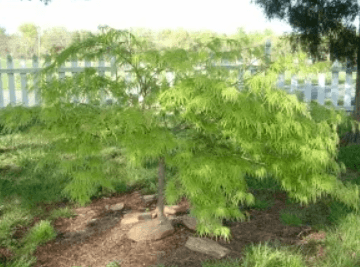
Some maples need extra help during their early years. If you live in a hot or windy climate, shading can make a major difference.
Try these strategies:
Temporary Shade Cloth
A simple cloth placed above the tree provides relief during heat waves. We often use this in our own growing areas.
Planting Near Structures
Fences, pergolas, and garden walls offer partial shade without blocking airflow.
Using Companion Plants
Shrubs and perennials planted nearby soften sunlight and reduce ground heat.
When customers browse our orangeola Japanese maple for sale, we explain that cascading varieties especially benefit from gentle overhead shade until they are established.
Protecting Trees From Wind Stress
Wind dries leaves faster than almost anything else. Even moderate wind can lead to scorch if combined with heat.
To support your tree:
- Plant near natural windbreaks
- Add a row of shrubs or screens on the windy side
- Use temporary barriers for young maples
- Keep soil moisture consistent during windy spells
Wind protection is often overlooked. Once corrected, many trees recover quickly.
Supporting Recovery After Scorch
If your tree already shows scorch, do not panic. The damage will not spread once conditions improve.
We suggest:
- Removing only fully dead leaves
- Watering consistently
- Adding mulch
- Providing afternoon shade
- Avoiding fertilizer during heat waves
Recovery usually begins with the next growth cycle. We see this often with our grafted Japanese maple trees for sale, especially in their first year while they adapt to new environments.
Keep Your Maples Protected With Guidance From Herter Nursery
At Herter Nursery, we grow and ship grafted Japanese maples for sale nationwide, and we know how important it is to prevent environmental stress early. If you need help choosing the right tree or adjusting your care routine, we are always here to share what works on our own farm.
Explore our selection, ask questions freely, and let us guide you toward strong, healthy maples that thrive for years.