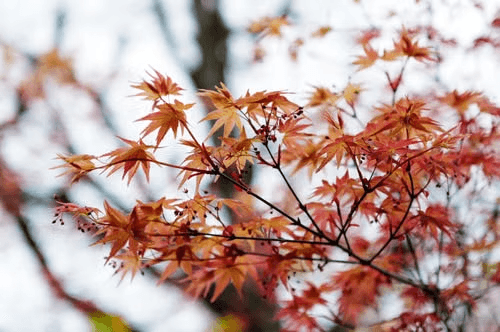
A Japanese maple can look right at first glance and still be wrong for the spot where it will spend the next twenty years. Color often gets the first look, but mature size, branch structure, sunlight, and the way the tree will relate to nearby plants matter just as much.
Anyone comparing a Japanese maple tree for sale can make a better choice by starting with the garden itself, then narrowing the options from there. Reviewing the available cultivars becomes much easier once the planting space and purpose are clear.
Mature Size Comes First
Young maples can be deceptive. A compact nursery plant may eventually spread across a path, press against a wall, or outgrow a small bed. Check mature height and width before a cultivar earns a place on the shortlist.
Gardeners working with courtyards, patios, or tight planting beds may find small Japanese maple trees for sale easier to place. Wider yards can accommodate a large Japanese maple for sale when you want extra height or canopy spread. The key is planning around mature dimensions rather than the size of the tree on delivery day.
Growth Habit Changes the Choice
Japanese maples do not all grow in the same way. Upright forms build height and can frame an entrance or fill vertical space. Weeping and laceleaf types spread outward and downward, giving them a lower profile and drawing more attention to their branching.
Acer palmatum includes upright and weeping forms, so growth habit deserves attention when comparing an acer palmatum for sale. Form affects how much room a tree needs and how it will sit beside paths, walls, shrubs, or seating areas.
Seasonal Color Deserves a Complete View
A red leaf in one photograph says very little about how a cultivar will look through spring, summer, and fall. Some Japanese maples open in red or orange, shift toward bronze or green in summer, then change again in autumn. Others retain darker foliage for much of the growing season.
A gardener reviewing a Japanese maple tree for sale should check seasonal color notes rather than relying on a single image. Rare Japanese maples for sale can also bring variegation, unusual spring color, or distinctive leaf shapes, but those features still need to suit the planting area and nearby plants.
The Planting Site Can Rule Out Poor Matches
Sun exposure can quickly narrow the choices. Dappled shade with evenly moist, well-drained soil generally suits Acer palmatum, while excess sun, drying wind, or drought can contribute to leaf scorch. In hotter areas, afternoon protection can be especially useful for sensitive foliage.
When a Japanese maple tree for sale seems suitable, still check local conditions. A local hardiness zone helps gardeners compare winter temperatures with plant tolerance.
After considering planting zone, drainage, wind exposure, and daily sun patterns, search for Japanese maple tree options. These checks reduce the chance of selecting a tree that struggles in its intended position.
The Tree Needs a Clear Job
The strongest choice usually has a clear purpose. One garden may need an upright tree to add height near an entrance. Another may benefit from a low weeping form beside a patio, where the branching can be seen up close. A third may need seasonal color against evergreen shrubs.
That purpose helps separate a Japanese maple tree for sale that catches attention from one that actually fits. Size, form, and foliage should support the intended role rather than compete with it. A tree selected for a specific place is also less likely to require heavy pruning or relocation later.
Rarity Comes After Practical Fit
Collectors often value unusual cultivars, and that interest can make rare Japanese maples for sale tempting. Rarity should still come after practical checks. A distinctive cultivar that dislikes the available sun or becomes too wide for the planting area can create avoidable problems.
Before a gardener chooses a Japanese maple tree for sale, the final comparison should cover mature size, growth habit, seasonal foliage, hardiness, and site conditions. When those factors line up, personal preference can make the final decision with far less guesswork.
A Choice Made for the Next Ten Years
A properly matched Japanese maple can settle into a garden without fighting its surroundings. The best choice is rarely based on color alone. It comes from matching the tree’s natural characteristics with the space, light, and role already waiting for it.
Explore Herter Nursery’s Japanese maple collection when you’re ready to choose the right Japanese maple tree for sale.