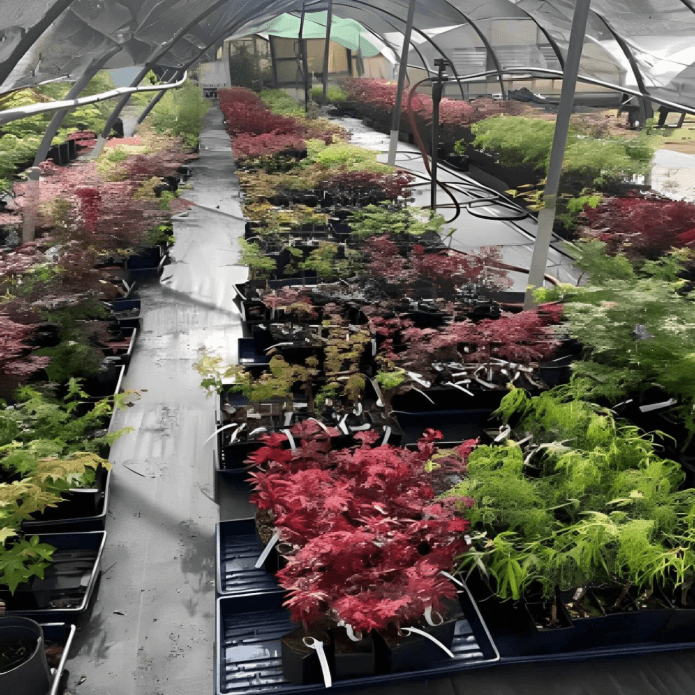
Japanese maples are known for their graceful forms, vibrant foliage, and ability to become lasting focal points in the landscape. While these trees are relatively easy to grow, proper maintenance throughout the year helps them reach their full potential. Understanding what your maple needs during each season can improve growth, preserve foliage quality, and encourage long-term health.
At Herter Nursery, we often tell customers that successful maple care is less about doing a lot and more about doing the right things at the right time. Following a simple annual routine can make a significant difference in the appearance and longevity of these ornamental trees.
To help homeowners keep their maples thriving, we have created a practical guide featuring seasonal care tips for every part of the year.
January: Monitor Winter Conditions
January is typically a quiet month for Japanese maples. Most varieties are dormant, making this an excellent time to inspect the tree’s structure and monitor winter protection measures.
Younger trees benefit from mulch around the root zone, which helps regulate soil temperatures and reduce stress caused by repeated freeze-thaw cycles. Homeowners should also check for broken branches caused by snow or ice accumulation.
For newly planted Japanese maple seedlings, winter protection remains especially important because their root systems are still developing.
February: Plan for Spring Growth
As winter begins to wind down, February is a good time to prepare for the upcoming growing season.
Inspect trees for signs of damage, review pruning needs, and ensure mulch remains in place. If winter storms have caused any broken or diseased branches, these can often be removed before spring growth begins.
This is also an excellent opportunity to assess the overall shape of the tree and identify any structural adjustments that may be needed later.
March: Begin Spring Maintenance
March often marks the beginning of active growth in many regions. As temperatures rise, Japanese maples start preparing for a new season of foliage development.
This is typically the ideal time to apply a balanced, slow-release fertilizer. Japanese maples are not heavy feeders, so moderate applications usually provide all the nutrients needed for healthy growth.
A healthy acer palmatum responds well to gentle spring feeding, producing strong foliage without excessive growth that could weaken the tree.
April: Watch New Growth Carefully
April is one of the most exciting months for maple enthusiasts. Fresh foliage emerges, bringing new color and texture to the landscape.
At this stage, homeowners should monitor soil moisture carefully. Young leaves can be sensitive to environmental stress, and consistent watering helps support healthy development.
If late frosts are common in the area, extra attention may be needed to protect newly emerged foliage from unexpected temperature drops.
May: Maintain Consistent Moisture
As temperatures begin to rise, watering becomes increasingly important.
Japanese maples prefer evenly moist soil, but they do not tolerate standing water. Deep watering encourages healthy root development and helps prepare the tree for warmer weather ahead.
This is particularly important for grafted Japanese maple trees, which benefit from strong root establishment during the growing season.
Mulch can also help conserve moisture and reduce temperature fluctuations around the root zone.
June: Inspect for Stress and Pests
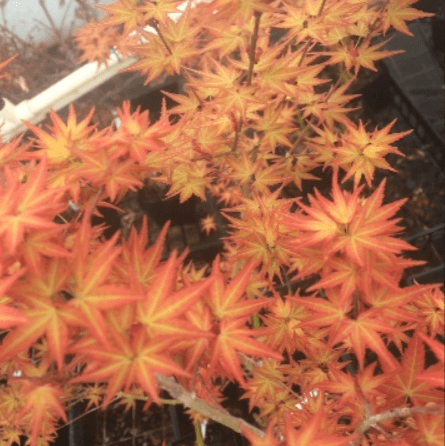
By June, foliage should be fully developed and displaying strong seasonal color.
Homeowners should inspect leaves for signs of stress, discoloration, or pest activity. Although Japanese maples are generally resilient, occasional issues can arise during periods of extreme heat or drought.
Addressing problems early often prevents more significant concerns later in the season. This is also a good time to ensure surrounding plants are not competing excessively for moisture or sunlight.
July: Protect Against Summer Heat
July often brings the hottest temperatures of the year. In warmer climates, some Japanese maples may experience leaf scorch if exposed to prolonged afternoon sun.
Regular watering and adequate mulch become especially important during this period. Trees planted in containers may require more frequent monitoring because soil dries out faster.
A large Japanese maple tree generally handles summer conditions better than younger specimens, but even mature trees benefit from proper moisture management.
August: Continue Summer Care
August maintenance focuses on consistency rather than major interventions.
Avoid heavy fertilization during this time, as encouraging late-season growth can leave the tree vulnerable when cooler weather arrives.
Instead, focus on watering, monitoring foliage health, and maintaining mulch coverage. Healthy summer care helps ensure a smooth transition into the fall season. For laceleaf varieties such as the tamukeyama Japanese maple, consistent moisture can help preserve foliage quality during extended heat.
September: Prepare for Fall Color
September often brings cooler temperatures and the beginning of seasonal color changes.
This is a good time to reduce watering slightly as growth slows, while still ensuring the soil does not become excessively dry.
Homeowners should also begin planning any fall planting projects. Early autumn provides favorable conditions for establishing new trees because soil temperatures remain warm while air temperatures become more moderate.
October: Enjoy Peak Seasonal Beauty
October is often the highlight of the Japanese maple calendar.
Many varieties display brilliant shades of red, orange, gold, and crimson. During this period, maintenance needs are minimal, allowing homeowners to simply enjoy the seasonal display.
Trees such as the bloodgood Japanese maple often reach their most dramatic color during autumn, making them standout features within the landscape. This is also an excellent time to photograph mature trees and evaluate future landscape plans.
November: Begin Winter Preparation
As leaves begin to fall, attention shifts toward winter readiness.
Remove fallen leaves from around the base of the tree and refresh mulch if necessary. Newly planted trees benefit from additional insulation around the root zone before temperatures drop significantly.
This month is also ideal for planting many maples because cooler conditions reduce transplant stress while allowing roots to establish before spring.
December: Allow the Tree to Rest
By December, most Japanese maples have entered dormancy.
Maintenance requirements are minimal, but occasional inspections remain worthwhile. Check mulch coverage, monitor for storm damage, and ensure young trees remain protected from harsh winter conditions.
Dormancy is an essential part of the tree’s annual cycle and prepares it for healthy growth when spring returns.
Grow Healthier Japanese Maples with Herter Nursery
At Herter Nursery, we are passionate about helping homeowners enjoy the long-term beauty of Japanese maples. From young starter trees to mature ornamental specimens, we grow our maples with health, structure, and lasting performance in mind.
Whether you are caring for an established landscape tree or preparing to order Japanese maple tree selections for a new project, proper maintenance plays a critical role in long-term success. Our collection includes everything from compact ornamental varieties to striking upright forms, including premium bloodgood Japanese maple selections and other carefully cultivated cultivars.
Explore our nursery today and discover how the right tree, combined with the right care, can bring decades of beauty and seasonal enjoyment to your landscape.