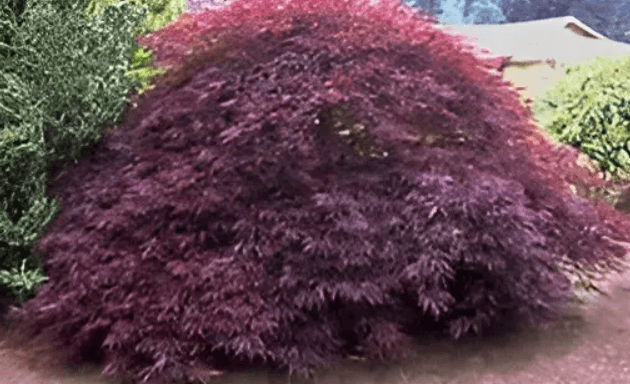
Japanese maples are often the stars of the landscape, but even the most beautiful tree benefits from thoughtful companions. The right surrounding plants can highlight foliage color, add texture, create seasonal interest, and help establish a balanced garden design that feels complete throughout the year.
At Herter Nursery, we often remind homeowners that a Japanese maple rarely reaches its full visual potential in isolation. Some of the most striking landscapes we see are the result of comparing the right plants and combining them in ways that complement rather than compete with one another.
Whether the goal is a peaceful garden retreat, a colorful focal area, or a layered landscape with year-round appeal, selecting the right companion plants can make all the difference.
Why Companion Planting Matters
A Japanese maple naturally draws attention because of its elegant branching, unique foliage, and seasonal color changes. However, surrounding plants help create context and visual depth.
Companion plants can emphasize the shape of the tree, provide contrasting textures, and ensure that the landscape remains attractive even when the maple is not at peak color. They also help create a more natural transition between trees, shrubs, and ground-level plantings.
For homeowners who invest in a grafted japanese maple trees for sale, companion planting helps maximize the tree’s impact while creating a more cohesive overall design.
Evergreen Shrubs for Year-Round Structure
One of the best ways to complement Japanese maples is by incorporating evergreen shrubs. These plants provide consistency throughout the year and create a backdrop that allows seasonal foliage colors to stand out.
Boxwoods, hollies, and dwarf conifers are among the most popular choices. Their deep green foliage contrasts beautifully with red, orange, or golden maple leaves while maintaining visual structure during winter months.
This pairing is especially effective with upright varieties such as the large bloodgood japanese maple for sale, where evergreen shrubs help highlight the tree’s bold branching structure and rich foliage color.
The contrast between evergreen and deciduous plants creates visual balance that lasts throughout all four seasons.
Ornamental Grasses Add Movement and Texture
Japanese maples are known for their delicate foliage, but ornamental grasses introduce a completely different texture that enhances the landscape.
Grasses such as Japanese forest grass, fountain grass, and dwarf maiden grass create movement as they sway in the breeze. Their soft, flowing forms complement the refined structure of maples without overwhelming them.
We often recommend ornamental grasses around laceleaf varieties because the combination creates a layered appearance that feels natural and dynamic.
For example, a tamukeyama Japanese maple surrounded by ornamental grasses can create a garden scene that feels both elegant and relaxed.
Perennials That Enhance Seasonal Color
Perennials are another excellent companion choice because they provide changing blooms throughout the growing season.
Hostas remain one of the most popular pairings because they thrive in similar growing conditions and offer broad foliage that contrasts with the fine texture of Japanese maple leaves. Ferns also work exceptionally well in shaded settings, adding softness and depth beneath the tree canopy.
Flowering perennials such as astilbe, coral bells, and Japanese anemones contribute seasonal color without competing for attention.
When paired with a crimson queen laceleaf Japanese maple, these perennials help create layered planting beds that remain attractive from spring through fall.
Using Contrasting Foliage Colors
One of the most effective landscape techniques is creating contrast through foliage color.
Red-leaf Japanese maples often stand out when surrounded by green or silver-toned plants. Likewise, green-leaf varieties become more striking when paired with darker shrubs or ornamental grasses.
The key is avoiding excessive color competition. Rather than filling a garden with multiple bold colors, we encourage selecting companion plants that support the maple as the primary focal point.
A fireglow Japanese maple, for instance, often looks most dramatic when placed against a backdrop of deep green evergreens or softer silver foliage.
Ground Covers for a Finished Look
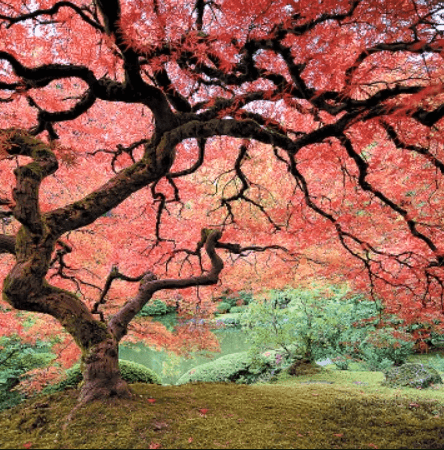
Ground covers help unify the landscape and create a polished appearance around ornamental trees.
Low-growing plants such as creeping phlox, mondo grass, ajuga, and pachysandra can fill open areas while suppressing weeds and reducing soil erosion.
These plants also help retain moisture around the root zone without interfering with the tree’s growth. For homeowners growing small japanese maple trees for sale, ground covers provide an excellent way to create a more mature and established appearance while the tree develops.
Companion Plants for Larger Landscapes
Larger properties often allow for more complex plant combinations and layered designs.
A large japanese maple tree for sale can be surrounded by multiple planting layers, beginning with evergreen shrubs, followed by ornamental grasses, and finished with ground covers or flowering perennials.
This approach creates depth and ensures that every section of the landscape contributes to the overall visual experience. Many professional landscape designers rely on this layered strategy because it mimics natural woodland environments while maintaining a polished appearance.
Matching Growing Conditions
Successful companion planting is not just about appearance. It is also important to choose plants with similar growing requirements.
Most Japanese maples prefer well-draining soil, moderate moisture, and protection from harsh afternoon sun. Companion plants should thrive under the same conditions whenever possible.
By selecting plants that share these preferences, homeowners reduce maintenance requirements and create healthier overall landscapes. This is especially important for specialty cultivars such as the ukigumo japanese maple for sale, which often performs best when paired with plants that support stable growing conditions.
Avoiding Common Companion Planting Mistakes
One mistake we occasionally see is overcrowding. While layered landscapes are attractive, plants still need room to mature and maintain healthy airflow.
Another issue is selecting companion plants that grow aggressively and compete with the maple’s root system.
We encourage homeowners to focus on balance rather than density. A few carefully chosen companion plants usually create a stronger design than an overcrowded planting bed. Patience is also important, as many landscape combinations become more impressive as the plants mature together over time.
Create a Complete Landscape Around Your Japanese Maple
At Herter Nursery, we believe the most beautiful landscapes are built through thoughtful plant combinations. Japanese maples provide exceptional color, structure, and seasonal interest, but the right companion plants help unlock their full potential.
Whether you are designing around a lace leaf japanese maple for sale, adding texture with ornamental grasses, or creating layered garden beds with shrubs and perennials, selecting complementary plants creates a landscape that feels balanced and complete.
Build a Better Landscape with Herter Nursery
Herter Nursery offers a wide selection of Japanese maples suited for every landscape style, from compact ornamental trees to striking focal specimens. We help homeowners choose varieties that work beautifully alongside shrubs, grasses, and perennial plantings.
If you are ready to enhance your outdoor space, explore our collection and order Japanese maple tree selections directly from our family farm. By comparing the right plants and pairing them thoughtfully, homeowners can create landscapes that remain beautiful, balanced, and inviting for decades to come.