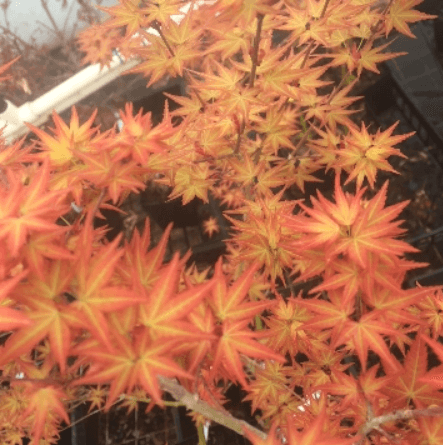
Japanese red maples are among the most rewarding ornamental trees we grow. Their rich foliage, elegant structure, and dramatic seasonal color make them standout additions to almost any landscape. However, while these trees are known for their beauty, many homeowners assume they are difficult to maintain.
In reality, Japanese maples are surprisingly adaptable when planted and cared for properly. Whether growing conditions are warm, cool, humid, or dry, the key is understanding what these trees need to establish strong roots and maintain healthy foliage throughout the year.
At our nursery, we’ve worked with countless varieties of japanese red maple seedlings wholesale trees and have seen firsthand how proper care makes all the difference. Here are the most important tips for helping these trees thrive in different climates.
Start with the Right Planting Location
The first step to growing a healthy Japanese maple is choosing the correct location. These trees prefer partial sunlight, especially in warmer climates where harsh afternoon sun can stress the leaves.
In cooler regions, they can tolerate more direct light. However, in hotter areas, filtered sunlight or morning sun with afternoon shade is ideal. This balance helps preserve foliage color while reducing the risk of leaf scorch during summer heat.
We always encourage homeowners to think beyond immediate appearance and consider how sunlight changes across the seasons before planting.
Focus on Well-Draining Soil
Healthy roots are the foundation of a healthy tree. Japanese maples do not tolerate standing water, so proper drainage is critical regardless of climate.
We recommend planting in loose, well-draining soil enriched with organic matter. Heavy clay soils should be improved before planting to avoid excess moisture buildup around the roots.
A healthy acer palmatum for sale develops best when the soil remains consistently moist but never saturated. Good drainage also reduces stress during periods of heavy rain or seasonal humidity.
Watering the Right Way
One of the biggest mistakes homeowners make is overwatering. While Japanese maples appreciate consistent moisture, soggy soil can quickly lead to root problems.
During the first growing season, newly planted trees should be watered deeply and regularly to help establish roots. Once established, watering frequency can be reduced, especially in cooler climates.
In hotter or drier regions, mulching around the base helps retain soil moisture and regulate temperature. However, mulch should never touch the trunk directly, as this can encourage disease and rot.
We often tell customers that deep, occasional watering is far better than shallow daily watering.
Adjusting Care for Different Climates
Japanese maples are more adaptable than many people realize. In colder climates, winter protection is mainly focused on preventing root damage in younger trees. Mulch helps insulate the root zone and stabilize soil temperature during freeze-thaw cycles.
In warmer climates, the focus shifts toward protecting foliage from heat stress and maintaining moisture consistency during summer.
Wind exposure is another important factor. Strong, dry winds can damage delicate leaves, especially on younger trees or laceleaf varieties. Planting in a slightly sheltered area often improves overall performance.
Fertilizing Without Overdoing It
Japanese maples are not heavy feeders. In fact, excessive fertilizer can cause weak growth and reduce foliage quality.
We recommend using a balanced, slow-release fertilizer once in early spring before active growth begins. This gives the tree the nutrients it needs without encouraging overly aggressive growth that may become vulnerable later in the season.
For a large size maples wholesale, maintaining balanced growth is especially important because rapid top growth can outpace root development if over-fertilized.
Simple, consistent feeding routines almost always outperform aggressive fertilization schedules.
Pruning for Structure and Health
Japanese maples require very little pruning compared to many other ornamental trees. We focus mainly on removing dead, damaged, or crossing branches to maintain airflow and preserve the natural shape.
Heavy pruning can disrupt the tree’s structure and reduce its graceful appearance. Instead, small corrective cuts made during dormancy are usually enough to keep the tree healthy and balanced.
Weeping varieties, in particular, benefit from minimal interference so their cascading form can develop naturally over time.
Seasonal Changes Are Normal
Many first-time growers become concerned when foliage changes throughout the year, but seasonal transformation is one of the defining characteristics of Japanese maples.
Spring growth may appear bright and delicate, while summer foliage deepens in color. During autumn, many varieties deliver dramatic red, orange, or golden displays before entering dormancy.
This seasonal rhythm is completely natural and part of what makes these trees so visually dynamic in the landscape.
Long-Term Care Creates Long-Term Beauty
Japanese maples are not short-term landscape plants. With proper care, they become increasingly beautiful as they mature. Strong roots, balanced growth, and thoughtful placement all contribute to healthier structure and more vibrant seasonal color over time.
Even smaller trees eventually develop into valuable focal points when given the right environment and consistent care.
At our nursery, we’ve seen how patience and proper maintenance allow these trees to thrive for generations.
Give Your Japanese Maple the Best Start Possible
We believe healthy trees begin with careful growing practices and strong root systems. At Herter Nursery, we grow Japanese maples with long-term performance in mind, helping customers choose varieties suited for different climates and landscape conditions.
Whether someone is planting their first maple or expanding an established garden, selecting the right tree and following proper care routines makes all the difference.
Customers can explore our collection and confidently order Japanese maple tree selections directly from our family farm. With the right planting location, watering habits, and seasonal care, a Japanese red maple can become one of the most striking and long-lasting features in any landscape.