
In the world of ornamental trees, Japanese maples hold a special place for gardeners, landscapers, and collectors alike. While many people casually refer to these trees as “Japanese maples,” a growing number of buyers are searching for them by their botanical name: acer palmatum. This shift reflects a broader trend in the gardening world, where more knowledgeable buyers use scientific terminology when researching plants, exploring acer trees, or looking for large acer trees that fit specific landscape goals.
As the market becomes more informed and design-focused, botanical naming has become an important tool for identifying and selecting the right trees.
The Importance of the Name Acer Palmatum
The term acer palmatum refers to the species commonly known as the Japanese maple. Using the botanical name helps buyers distinguish these trees from other types of maples that may have very different growth habits or appearances.
The maple family includes a wide range of species, many of which grow quite large and are commonly used as shade trees. When someone searches for acer trees, the results can include everything from sugar maples to red maples.
By specifying acer palmatum, buyers can ensure they are looking specifically at the ornamental Japanese maple varieties known for their delicate leaves, graceful branching, and vibrant seasonal color.
Why Knowledgeable Buyers Use Botanical Terms
Over time, we’ve noticed that gardeners and landscape designers become more comfortable using botanical names as they gain experience. While common names are helpful, they can sometimes create confusion, especially when different plants share similar descriptions.
Searching for acer palmatum allows buyers to explore a more precise category of trees. It also helps them discover specific cultivars within the species, each offering unique foliage colors, growth patterns, and sizes.
For those planning a landscape design, this level of detail is valuable. Someone researching acer trees may be comparing several maple species, but a gardener who already knows they want the elegance of Japanese maples will often begin their search with acer palmatum.
This approach reflects a deeper understanding of plant selection and landscape planning.
The Role of Larger Acer Trees in Landscaping
Another reason buyers search using botanical names is the desire to find specific sizes or growth stages. Homeowners and designers often look for established specimens when creating landscapes that feel complete from the start.
This is where interest in large acer trees becomes especially important. A larger tree offers immediate structure and visual impact in the garden.
When someone looks for large acer trees, they are typically searching for mature specimens with well-developed branching and a balanced canopy. These trees can instantly become focal points in patios, entryways, or garden beds.
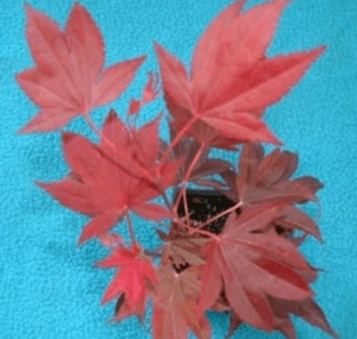
A mature acer palmatum provides the graceful silhouette and seasonal color that make Japanese maples such a defining feature in landscape design.
A Sign of a More Sophisticated Gardening Market
The increasing use of botanical names also reflects a broader shift in the gardening community. As online resources and plant collections become more accessible, many buyers are learning more about the plants they grow.
This growing knowledge leads to more specific searches. Instead of simply looking for maple trees, buyers may search for acer palmatum because they understand the qualities that make the species unique.
This level of sophistication benefits both gardeners and nurseries. Buyers are able to find the trees that best match their vision, while growers can focus on cultivating the specific species and cultivars that customers want.
In many ways, the use of botanical names signals a deeper appreciation for horticulture and plant diversity.
Explore Premium Acer Trees at Herter Nursery
For gardeners who appreciate the elegance and beauty of Japanese maples, Herter Nursery offers an exceptional selection of carefully cultivated trees. Whether someone is researching acer Palmatum, exploring distinctive acer trees, or searching for striking large acer trees for sale that can anchor a landscape design, the nursery provides high-quality specimens grown with expert care.
Herter Nursery focuses on nurturing Japanese maples that display balanced structure, healthy root systems, and vibrant foliage. These trees are cultivated to thrive in residential gardens and become lasting focal points in outdoor spaces.
By offering expertly grown acer palmatum for sale varieties, Herter Nursery helps gardeners and landscape enthusiasts find trees that bring both sophistication and lasting beauty to their landscapes.
Visit Herter Nursery to discover exceptional Japanese maples and experience how a well-grown acer tree can transform the character of any garden.