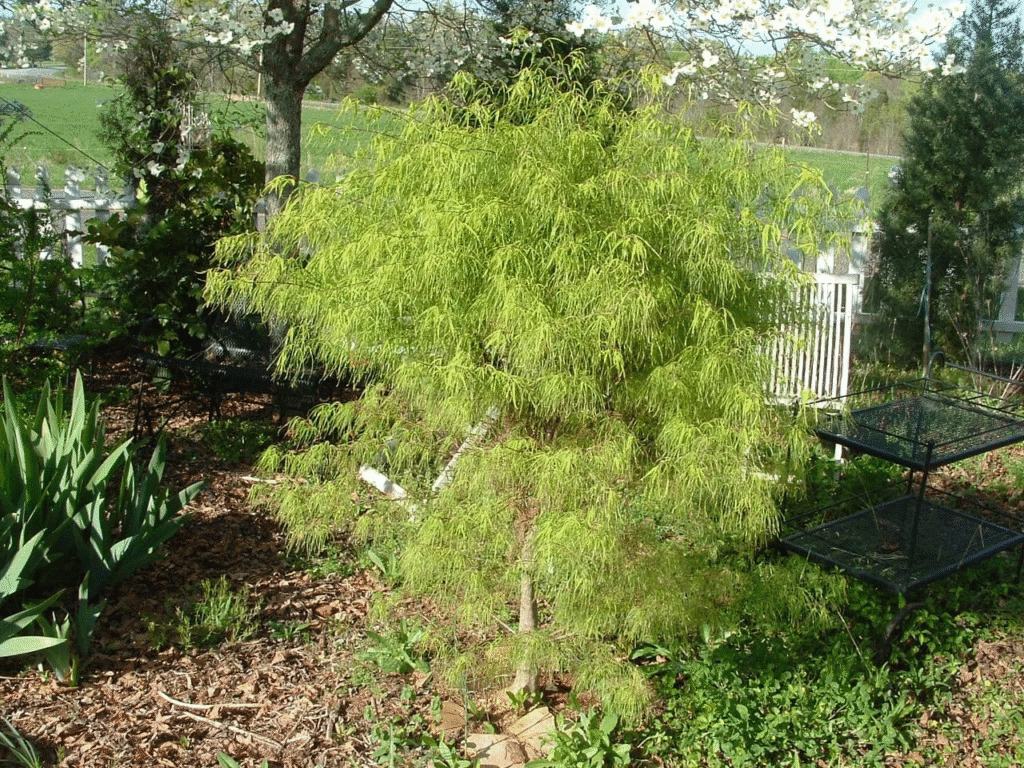
Japanese maples are some of the most elegant, dramatic trees you can plant—but they’re also finicky. Pick the right spot, and they’ll reward you with stunning foliage, graceful structure, and seasonal fireworks. Choose poorly and you might wind up with scorched leaves, faded colours, or a tree that never quite thrives.
We at Herter Nursery have learned a lot from sources like The Spruce and Forbes about how these trees do best in sites that balance light, soil quality, moisture, and protection. Let’s dive into what site conditions really matter, how they affect leaf colour and shape, plus practical advice so you can plant for the very best results.
Light & Shade: What Japanese Maples Really Want
The trickiest decision when placing a Japanese maple is how much light it gets.
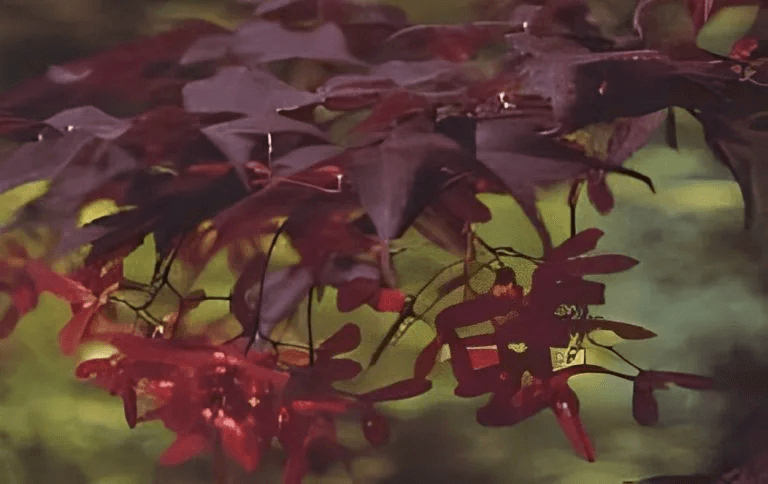
- Partial shade or dappled shade is often the sweet spot. Morning sun + afternoon shade tends to work beautifully. In shaded environments, leaves may stay more tender, but colours (especially in red/purple cultivars) will generally be more subtle.
- Full sun can be okay—but only in cooler or milder climates, and usually when the soil stays evenly moist. Without that, the leaves risk being scorched—brown, crispy edges, wilting, or even early drop.
- Harsh afternoon sun, especially in very hot zones, is often the undoing of maples with delicate leaves or intense colours. Some grafted varieties and laceleaf forms are especially sensitive.
Soil, Moisture, and Shelter: Supporting the Light
Light is only part of the story. The soil, moisture levels, and shelter from wind dramatically affect leaf shape, growth rate, and colour.
- Well-draining, slightly acidic soil is ideal. Japanese maples hate “wet feet” and standing water around the roots, but they also despise super-dry soil. Loamy soil rich in organic matter keeps things balanced.
- Consistent moisture, especially when young, matters. Deep watering and mulch help moderate soil temperature, retain moisture, and protect roots during hot periods.
- Shelter from strong wind and intense sun reflection (from walls, stone patios, etc.) helps avoid leaf scorch or desiccation. A tree planted next to a south-facing brick wall may get reflected heat that damages foliage.
How Site Conditions Affect Leaf Colour & Shape
The impact of where you plant goes deeper than “sunny or shady.” It changes the very look of the tree:
- Colour Intensity
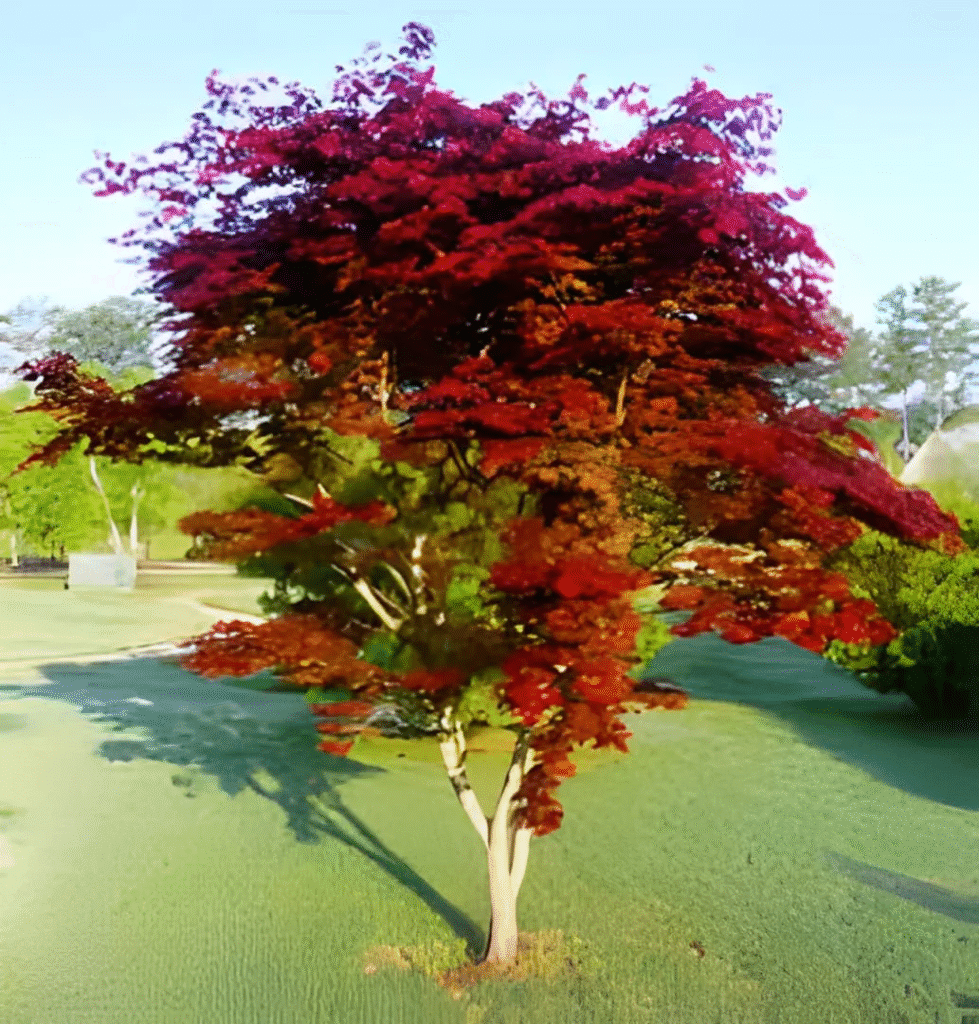
Full sun (with enough moisture) tends to produce vivid reds, purples, and deep hues. In shade, those same cultivars often drift toward greener tones. For example, red-leaf cultivars can lose their red vibrancy if shaded too much. - Leaf Size and Shape
Shade often encourages larger leaves (they stretch for light), softer texture, and less deeply cut forms. In contrast, some sunlight (especially morning sun or filtered light) helps leaves maintain crisp edges, strong delineation in dissected or laceleaf types. - Leaf Scorch, Burn, or Fading
Intense heat + direct afternoon sun + dry soils often bring about browning leaf edges, a crispy look, or even leaf drop. On the flip side, too much shade and the leaves may remain shaded green or bland, not showing off the cultivar’s characteristic fall colours or spring flushes.
Practical Advice: Where to Plant & How to Position
Here are actionable rules of thumb to guarantee your Japanese maple shines:
- Morning sun + afternoon shade is usually your safest bet. Especially for red, purple, or lacy varieties.
- In cooler regions, you can push more sunlight (even full sun), but always pair that with strong soil moisture and protection from blazing afternoon heat.
- If you’re in a hot climate, pick a location with filtered light, perhaps shaded by a taller tree or structure in the hot afternoon hours. Use mulch heavily to keep roots cool.
- Avoid locations with reflected heat—walls, pavement, patios. Those amplify heat stress.
- Choose a spot that’s sheltered from cold winter winds and late spring frosts—but not so enclosed that air cannot circulate. Dead air can invite fungal problems or weak growth.
- When planting, ensure the top of the root ball is slightly above the surrounding soil to mitigate water pooling around the trunk base, but not so high that roots dry out. Use mulch, but keep it a few inches from the
Cultivar Considerations: Some Maples Tolerate Sun Better
Not all Japanese maples are equally sensitive. Before choosing a location, think about the cultivar:
- Laceleaf / dissected varieties (e.g.,Crimson Queen, Waterfall, Red Dragon) are more fragile, prefer filtered light or part shade. They burn more easily.
- Upright, large-leaf, or more sun-tolerant cultivars (like Bloodgood) can take more light, especially with correct care. But they still benefit from protection during the hottest parts of the day in many regions.
Summary: Picking the Sweet Spot
So: shade or sun? The answer is, it depends. On your climate, on your soil, on the cultivar. But generally, partial shade (morning sun, afternoon shade, or filtered light) on rich, well-drained soil, with regular moisture and wind protection, will give you the greatest chance of gorgeous foliage, good shape, and long, healthy life.
Think of the site like a stage: set it properly, and your Japanese maple becomes the star, not just another tree hiding in the background.
Want to find your perfect Japanese maple?
If you’re ready to pick a tree, we have a wide range to match nearly any light situation—from red dragon laceleafs that need filtered light, to Bloodgood and Orangeola varieties that can handle more sun. Whether you’re looking for a mature specimen or rare cultivars, we’ve got you covered.
Grow Something Extraordinary with Us
At Herter Nursery, a family-owned business established in 1993 by John and Carol Herter, we specialize in rare Japanese maples for sale that thrive in the right balance of sun and shade. Whether you’re looking for a vibrant Japanese maple tree for sale, hoping to join our Maple of the Month Club, or searching for a stunning, large Japanese maple tree, we’ve got the perfect tree for your garden. Ready to start your journey? Give us a call now and let’s find the maple that will transform your landscape.